
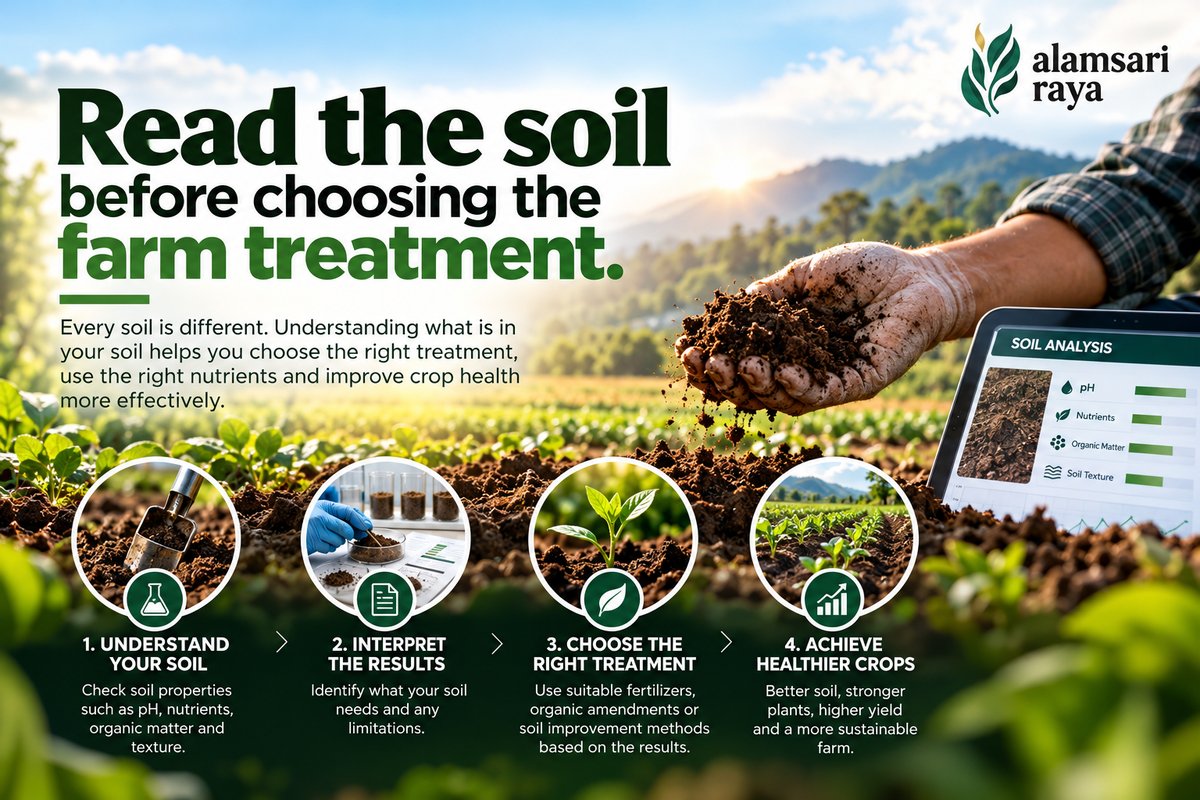
Two neighbouring coffee plots can require different decisions. A wet corner, compacted access strip or uneven establishment pattern can be lost inside a farm average. Reading the soil begins with recognising those differences before choosing a treatment.
Food and Agriculture Organization of the United Nations [FAO] identifies soil organic carbon alongside other soil health indicators, including bulk density and biological measures (FAO, n.d.-b). Giller et al. (2021) caution against assuming that a broad farming label determines agronomic performance. The practical lesson is to assess the soil and the crop together, using an appropriate local method.
We propose dividing a site into meaningful observation zones based on slope, drainage, soil characteristics and management history. Give each zone a code that can be used in maps, sample labels and field records. Keep unusual problem areas visible rather than combining them with better performing ground without explanation.
A sampling plan should be agreed with a qualified agronomist and laboratory. Record depth, date, location and the handling procedure so that later samples can be compared fairly. A laboratory result with no sampling context can be difficult to interpret and difficult to repeat.
Field observations add another layer. Photograph the soil surface, note signs of standing water or exposed roots and record coffee growth in the same zone. If a treatment is proposed, explain the problem it is meant to address and the observation that will show whether it helped.
For example, suppose one zone has poor establishment. Before applying the same amendment throughout the farm, examine whether water movement, planting quality or a specific nutrient issue is contributing. A targeted intervention can then be compared with the zone’s earlier condition. This is an illustrative decision process, rather than a prescribed treatment.
We recommend keeping both successful and unsuccessful interventions in the learning record. If a treatment changes a soil measurement but does not improve crop performance, that is a useful finding requiring further explanation. Alamsari’s proposed soil learning approach is to connect the test result, the field condition, the management decision and the subsequent observation. That connection makes soil information useful to farmers and more credible to other stakeholders.